Get Trench Installation
Trench installation services help property owners with underground utility lines, drainage systems, and foundation work by connecting them with local contractors skilled in trenching projects.
Property owners considering trench installation often seek reliable local contractors to help plan and execute their projects. Whether installing drainage systems, utility lines, or landscaping features, proper trench work is essential for ensuring safety, functionality, and long-term durability. Exploring available options in the area allows property owners to compare services and find experienced service providers equipped to handle the specific requirements of their projects.
Continuing with the right local service providers can make planning and completing trench installation work more straightforward. By reviewing local contractors, property owners can gather information about their expertise and experience, helping to make informed decisions. This approach supports efficient project planning and ensures that the work aligns with the property’s needs and local standards.
- Residential Trench Installation - homeowners may need trench work for installing utility lines or drainage systems around their property.
- Commercial Trench Services - businesses often require trenching for underground wiring, piping, or foundation support for new construction projects.
- Landscape Drainage Solutions - property owners seeking effective drainage systems to prevent water pooling and soil erosion might need trenching services.
- Utility Line Placement - when installing or repairing underground utility lines, local contractors can handle the necessary trench work.
- Foundation and Basement Drainage - trench installation may be needed to improve foundation drainage or install sump pumps in residential or commercial buildings.
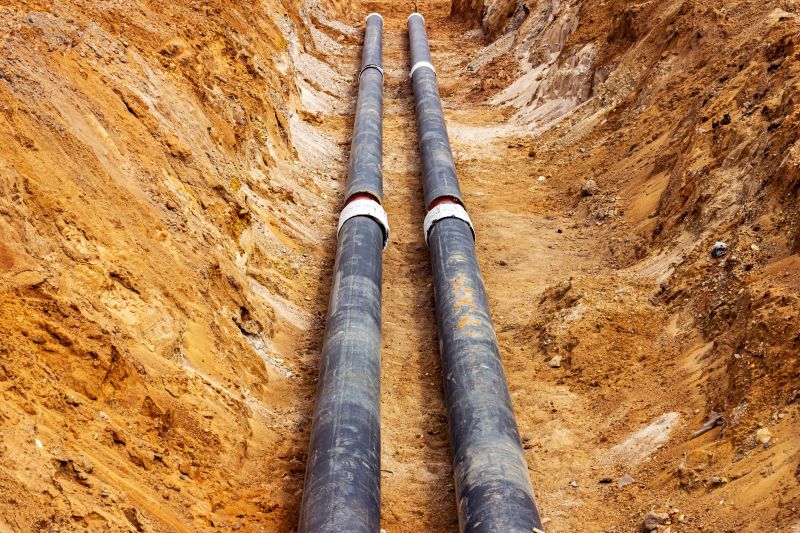
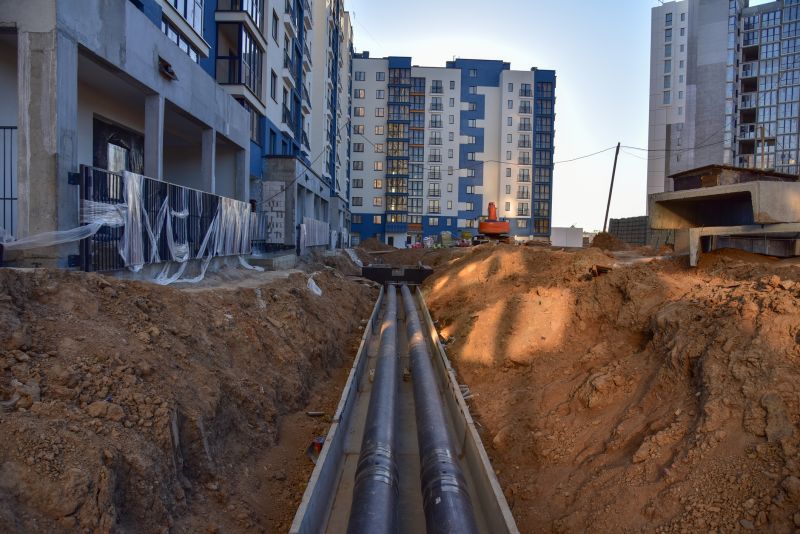
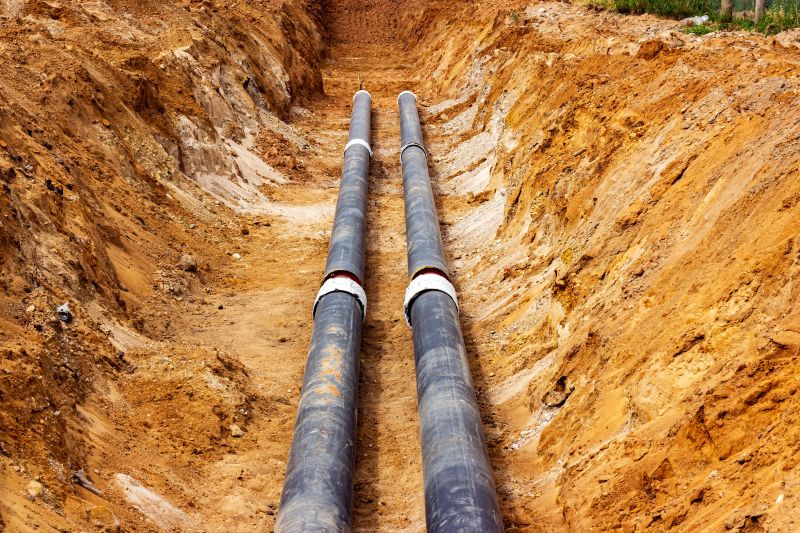
Trench installation services involve the process of digging and constructing trenches in the ground to serve various practical purposes around a property. This work typically includes excavating narrow, elongated channels in soil or other materials, then installing necessary components such as pipes, cables, or drainage systems. Skilled service providers ensure that trenches are dug accurately and safely, adhering to property specifications and local codes, to support the proper functioning of essential infrastructure.
These services are often sought to address common property issues like poor drainage, water pooling, or foundation concerns. Installing drainage trenches can help redirect excess water away from a building’s foundation, reducing the risk of water damage and soil erosion. Trench work is also essential for laying electrical or plumbing lines underground, protecting them from damage and maintaining a clean, organized appearance. By properly installing these systems, property owners can prevent costly repairs and improve overall safety and functionality.
Trench installation is suitable for a variety of property types, including residential homes, commercial buildings, and agricultural sites. Homeowners may need trenches for installing new sprinkler systems, drainage solutions, or underground utilities. Commercial property owners often require trenching for electrical wiring, communication lines, or drainage systems that support their operations. Agricultural properties might use trenches for irrigation or installing underground infrastructure to manage water flow efficiently. Local contractors can assess each property’s specific needs and provide tailored trenching solutions to meet those requirements.
Choosing experienced service providers for trench installation ensures the work is done correctly and efficiently. Professionals can evaluate the property’s terrain, soil conditions, and project scope to determine the best trenching methods. Proper installation helps prevent future problems such as water damage, utility failure, or soil instability. Whether for new construction, renovation, or maintenance, connecting with local contractors who specialize in trench services can help property owners address their infrastructure needs effectively and ensure the longevity and safety of their property systems.
The overview below groups typical Trench Installation projects into broad ranges so you can see how smaller, mid-sized, and larger jobs often compare in your area.
In many markets, a large share of routine jobs stays in the lower and middle ranges, while only a smaller percentage of projects moves into the highest bands when the work is more complex or site conditions are harder than average.
Smaller Repairs - Typical costs for minor trench repairs or patching usually fall between $250-$600. Many routine jobs in this range are straightforward and relatively quick for local contractors to complete.
Standard Installation - Installing new trenches for irrigation or utility lines generally costs between $1,000-$3,000. Most projects of this size are within this range, though complexity can push costs higher.
Full Trench Replacement - Complete removal and replacement of existing trenches can range from $3,500-$8,000, depending on length and depth. Larger or more complex projects tend to reach the upper end of this range more often.
Large or Complex Projects - Extensive trench systems for commercial or multi-site properties can exceed $10,000, with some projects reaching $20,000+ based on scope. These higher costs are less common but are handled by experienced local service providers.
Actual totals will depend on details like access to the work area, the scope of the project, and the materials selected, so use these as general starting points rather than exact figures.
Foundation Excavation - professionals who prepare sites for building foundations often use trenching and excavation skills similar to trench installation services.
Drainage System Installation - installing underground drainage requires trenching, planning, and the use of specialized tools, aligning with trench installation expertise.
Utility Line Placement - laying underground utility lines involves precise trenching and careful planning, making it comparable to trench installation projects.
Landscape Drainage Solutions - creating effective landscape drainage systems involves trenching and excavation techniques used by local contractors.
Irrigation System Installation - installing underground irrigation lines requires trenching skills and knowledge of underground planning similar to trench services.
Sewer Line Replacement - replacing or repairing sewer lines involves trenching and careful excavation, closely related to trench installation work.
When comparing service providers for trench installation, it’s important to consider their experience with similar projects. Homeowners should inquire about how many trenching jobs they have completed that resemble the scope and complexity of the current project. A contractor with a proven track record in handling comparable installations is more likely to understand the specific challenges involved and deliver results that meet expectations. Reviewing the types of projects they have worked on can provide insight into their familiarity with different soil conditions, property layouts, and trenching techniques.
Clear and detailed written expectations are essential for ensuring both parties are aligned on the scope of work. Homeowners should seek out service providers who can provide comprehensive written proposals or estimates that outline the work to be performed, materials used, and any other relevant details. This clarity helps prevent misunderstandings and allows for a more straightforward comparison between local contractors. Having well-defined expectations also supports effective communication throughout the project, making it easier to address any questions or adjustments that may arise along the way.
Reputable references and good communication are key factors when evaluating local pros for trench installation. Homeowners are encouraged to ask for references from recent clients who had similar work done, as this can offer insights into the contractor’s reliability, quality of work, and professionalism. Additionally, service providers who demonstrate clear, prompt, and transparent communication tend to be more responsive and easier to work with. Proper communication ensures that questions are answered, concerns are addressed, and the project progresses smoothly, ultimately contributing to a successful trenching experience.
Property owners use Trench Installation services for practical projects around their homes and businesses. This guide focuses on everyday jobs and straightforward project options.
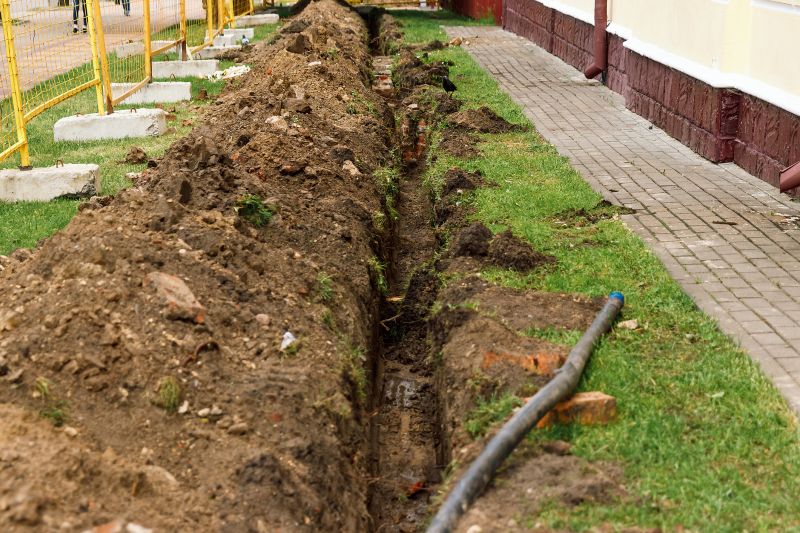
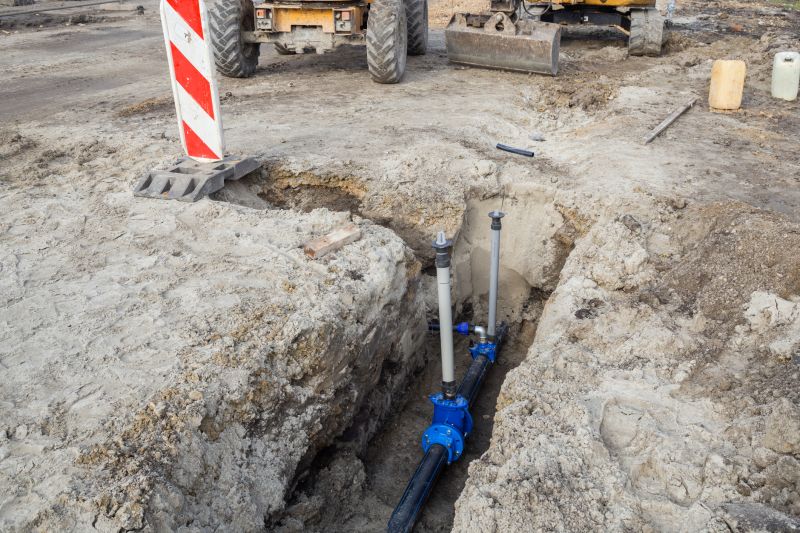
Trench installation services are often needed for a variety of common property projects, such as installing new irrigation systems, setting up underground utilities, or preparing for landscape enhancements. Homeowners and property owners may seek local contractors to handle these tasks when planning to improve their outdoor spaces or ensure proper infrastructure. These projects typically require careful excavation and trenching to safely and effectively lay pipes, cables, or other essential components.
In many cases, property owners look for trench installation services to address repair or maintenance needs, such as fixing damaged underground lines or upgrading outdated systems. Whether expanding existing utilities or installing new features, local service providers can assist with the technical aspects of trenching to support a property's functional and aesthetic goals. Connecting with experienced local contractors can help ensure the work is completed efficiently and to the property owner’s specifications.
What types of trenches do local contractors install? Local service providers can install various types of trenches, including utility trenches, drainage trenches, and irrigation trenches, tailored to specific project needs.
How do professionals ensure proper trench depth and width? Local contractors assess the project requirements and follow best practices to determine the appropriate depth and width for each trench installation.
What materials are used for trench backfilling? Common backfill materials include soil, gravel, or specialized fill, selected based on the trench's purpose and site conditions.
Are permits required for trench installation? Permit requirements vary by location; local service providers can advise on whether permits are needed for trench work in the area.
What safety measures do contractors take during trench installation? Local contractors follow safety protocols such as shoring, sloping, or trench boxes to ensure safe excavation and backfilling processes.
Drainage Improvement - Property owners can work with local contractors to install trenches that help direct water away from foundations and prevent flooding during heavy rain.
Foundation Protection - Trench installation services can be used to create barriers around a home to reduce soil erosion and maintain structural stability.
Landscape Drainage Solutions - Local pros can help design and install trenches that improve yard drainage, making outdoor spaces safer and more usable after storms.
Utility and Irrigation Lines - Trenching services assist in laying underground utility lines or irrigation systems, ensuring they are protected and properly installed.
If you are thinking about Trench Installation for a property, this guide is meant to help you understand the work, the typical project types, and how different options might fit your plans.
When you are ready, you can use the quote form on this page to share a few details about your project. From there, local pros can review the basics and respond with options that match what you have in mind.